Independent educational guidance. References to creators, productions and brands describe visual context, not a collaboration or endorsement.
Read the reference in three parts
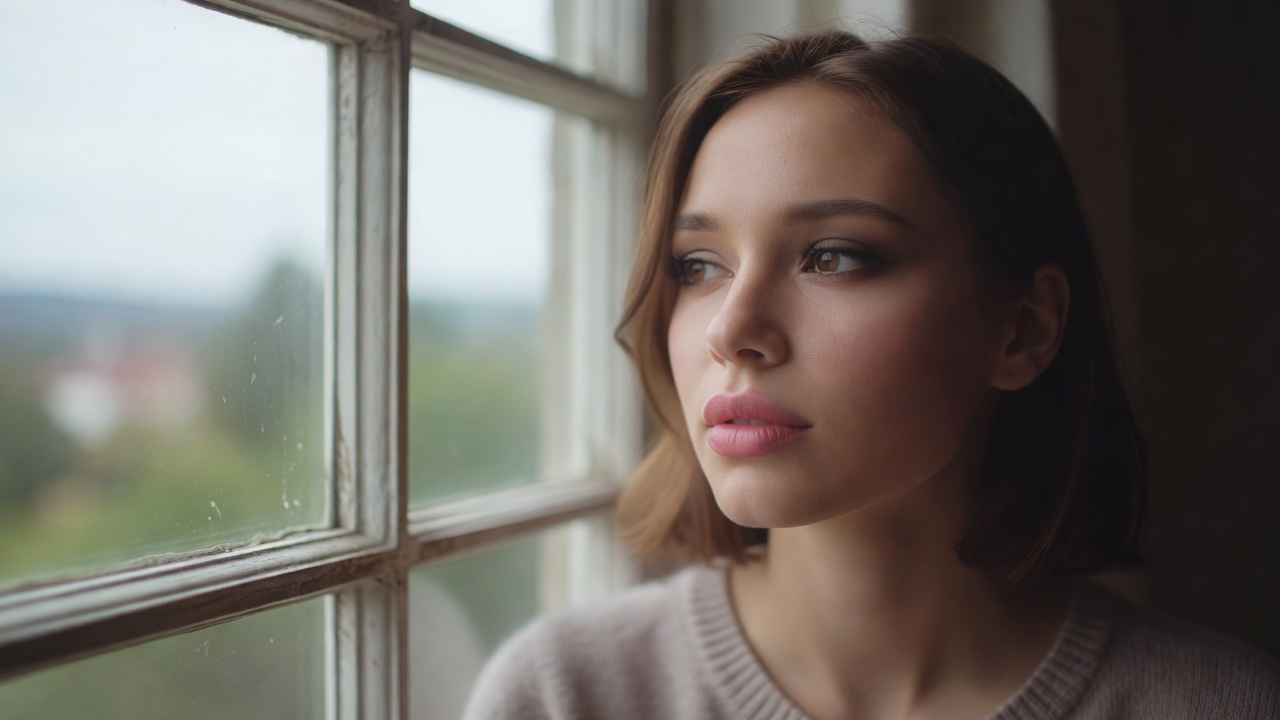
A beautiful frame can make a look seem more complicated than it is. Before choosing products, describe three things: colour, placement and finish. “Deep berry at the lip centre, diffused at the edges, with a soft sheen” is a useful description. “The exact face from that video” is not an achievable application instruction.
Pause a video when the person turns toward ordinary light, if that view is available. Notice whether the eye look remains dramatic without a ring light. Check whether the skin has a reflective finish or whether a bright light is doing most of the work. You cannot reliably establish which filters or editing tools were used from appearance alone, so treat uncertainty as a reason to be flexible, not as evidence of deception.
Entertainment references can be helpful shorthand. The graphic eye language associated with Euphoria, the polished period mood of Bridgerton and the high-contrast pink world of Barbie point toward different visual ideas. They do not prescribe one complexion, one product list or one acceptable level of intensity.
Choose a single visual anchor
Ask what you would still recognise if half the makeup disappeared. It may be an elongated outer corner, an almost bare-looking base or a sharply outlined lip. Make that your anchor. Everything else should support it rather than compete for attention.
This is also a useful way to learn from educators such as Lisa Eldridge, Pat McGrath, Danessa Myricks and Katie Jane Hughes without claiming to reproduce their work. Observe a technique in its original context, then describe what you are testing. A fingertip-applied shimmer or a pinpoint correction can teach you more than buying every item shown.
A good adaptation keeps the idea recognisable and the person wearing it comfortable.
Let the occasion set the intensity
For daytime plans, translate a dramatic wing into a short outer-corner line and choose a lip texture that you can refresh easily. For dinner, deepen the lash roots or add a small amount of sheen rather than automatically increasing every feature. If the event involves long conversations, meals or warm rooms, maintenance may matter more than how the makeup looks immediately after application.
Consider viewing distance, too. A graphic detail designed for a close-up may barely register across a room. Conversely, a heavy contour that photographs softly under controlled lighting can look distinct at conversational distance. Test the look both close to the mirror and a step back from it.
A practical soft-focus evening adaptation
- Prepare a familiar base. Use your usual skincare and let it settle. Apply coverage only where you want evening out, keeping the layers thin around movement lines.
- Map the eye while looking forward. With your eyes open, place a small amount of muted brown or plum near the outer lash line. Blend toward the shape you want, not toward a diagram that ignores your eyelid fold.
- Build one area at a time. Add depth at the lashes before extending the shape. Keep colour away from the waterline unless the product is labelled for that use.
- Make the lip the reference point. Tap a comfortable rose or berry shade into the centre, then soften outward with a clean fingertip or brush. Leave a clearer outline if you prefer definition.
- Check the balance. Step into indirect daylight, then look under the lighting closest to your occasion. Remove or soften one competing detail before adding another.
Adjust for your own features and preferences
There is no universal placement that lifts every face. If an upward wing disappears into a fold, try a shorter line or a softened wedge that remains visible when your eyes are open. If cheek colour looks disconnected, use less and blend its edge into the surrounding base. The aim is a deliberate transition, not a prescribed face shape.
Glasses, facial hair, freckles and differences in pigmentation can all change the visual balance. Work with what you want to show. There is no requirement to conceal freckles, erase natural lip contrast or remove hair to make a reference “work.” You can also translate a colour story into only a lip or cheek if eye makeup is not comfortable for you.
Keep a useful record, not a scorecard
After the outing, note what lasted, what felt good and what you would change. A short note such as “less cream near the nose; keep the soft lip edge” is more actionable than deciding you failed to resemble a screenshot. Your successful version may be quieter, warmer or less symmetrical than the reference.
If you want to refine the colour without changing the placement, continue with seasonal palette adjustments. If the shape works but the products keep moving, use the application troubleshooting guide before buying a replacement kit.